Cinema Experiences Blend Technology and Storytelling Perfectly
Modern cinema experiences sit at the meeting point of creativity and technology. Films thevillagegroupe.com are no longer just stories on a screen; they are carefully engineered experiences designed to fully immerse audiences. Advanced tools in filmmaking and theater presentation work together to enhance emotion, clarity, and impact. This perfect balance is what makes cinema such a powerful form of entertainment. At the heart of every cinema experience is storytelling. Characters, conflict, and narrative structure create emotional depth that connects with audiences. Whether it is a small personal drama or a large-scale adventure, stories guide the viewer through meaning and emotion. Technology supports this journey, but storytelling remains the foundation that gives cinema its lasting impact.
Visual Technology Enhancing Imagination
Modern cinema uses cutting-edge visual technology to bring stories to life. High-resolution projection, advanced color grading, and large-format screens create stunning clarity and detail. These tools help filmmakers express their vision more accurately and vividly. As a result, audiences can experience worlds that feel more realistic, immersive, and emotionally powerful. Sound is one of the most important elements that connects technology with storytelling. Surround sound systems create direction, depth, and atmosphere, making scenes feel more lifelike. Subtle audio details enhance emotional moments, while powerful effects intensify action sequences. This careful sound design ensures that audiences feel fully engaged in every moment of the film.
Immersive Theater Environments
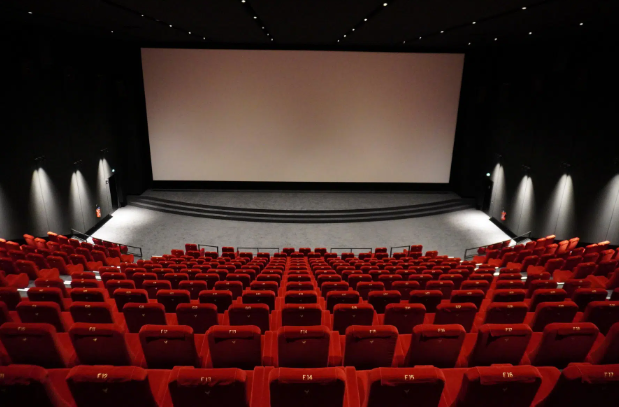
Cinema spaces themselves are designed to support storytelling. Comfortable seating, optimized viewing angles, and controlled lighting all contribute to immersion. Some theaters also incorporate environmental effects that respond to on-screen action. These enhancements help remove distractions and keep audiences focused on the narrative. Digital systems have transformed how movies are delivered and experienced. From projection calibration to automated playback, technology ensures consistency and quality. Streaming and digital distribution also influence how films are released and consumed. These innovations make cinema more flexible while maintaining high presentation standards.
Emotional Engagement Through Technology
Technology does more than improve visuals and sound; it strengthens emotional engagement. When used effectively, it allows audiences to feel closer to characters and storylines. Subtle enhancements in lighting, audio, and timing help guide emotional responses. This synergy between storytelling and technology creates a deeper viewing experience. Creating a perfect cinema experience requires collaboration between artists and technical experts. Filmmakers design stories with emotional structure, while engineers ensure those stories are presented with precision. This partnership ensures that creative vision is preserved while maximizing technical quality. Both sides are essential to modern cinema excellence.
Evolving Audience Expectations
As technology improves, audience expectations continue to rise. Viewers now expect high-quality visuals, immersive sound, and seamless presentation. This pushes the industry to constantly innovate while staying true to storytelling fundamentals. Cinema remains relevant by evolving with its audience while maintaining its emotional core. The future of cinema will likely bring even deeper integration between storytelling and technology. Innovations such as interactive narratives, AI-assisted filmmaking, and immersive environments will continue to evolve the experience. Despite these changes, the core principle remains the same: powerful stories enhanced by technology create unforgettable cinema moments.