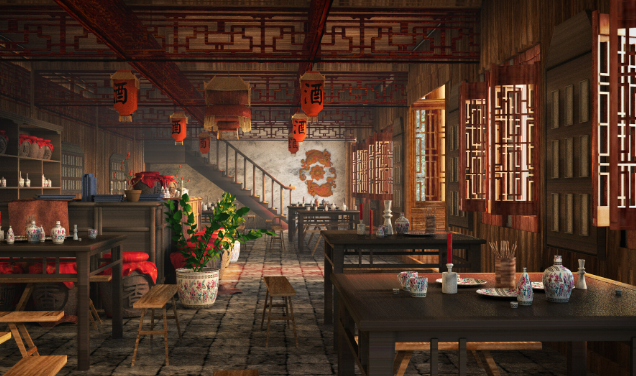
Chinese Restaurant Flavors Across Classic Asian Dishes
Chinese restaurant cuisine offers a broad range of flavors that can introduce diners to some of Asia’s most recognizable culinary traditions. From fragrant noodles and delicate dumplings to savory stir-fries and aromatic rice dishes, every recipe can bring a different combination of texture, seasoning, and aroma. Chinese cooking newhongkongchineserestaurant.com has influenced food culture across Asia for centuries, while neighboring cuisines have also developed their own distinctive approaches to familiar ingredients. This shared culinary landscape makes Chinese restaurant dining an interesting experience for anyone who enjoys discovering how Asian dishes balance sweet, salty, sour, spicy, and savory elements. A single meal can feature several contrasting flavors while maintaining harmony across the table, giving diners plenty of opportunities to explore classic dishes from different perspectives.
Savory Flavors Form the Foundation
Savory flavors appear throughout classic Chinese dishes and often create the foundation for a satisfying restaurant meal. Soy sauce, fermented ingredients, mushrooms, meat, seafood, and aromatic vegetables can contribute layers of umami without making every recipe taste the same. A savory sauce can complement noodles, vegetables, tofu, or tender meat, while lighter seasoning allows delicate ingredients to remain prominent. Garlic, ginger, and scallions frequently add fragrance and depth without overwhelming the main components. This balance makes savory dishes easy to pair with other selections at the table. Diners can combine rich preparations with steamed rice or fresh vegetables, creating a meal where individual flavors remain distinct while contributing to a broader Asian dining experience.
Dumplings Show Culinary Variety
Dumplings demonstrate how one basic concept can develop into countless regional and cultural variations. Chinese restaurants may serve dumplings that feature pork, shrimp, vegetables, mushrooms, or combinations of different fillings. Steaming creates a soft texture, while pan-frying introduces a crisp surface that contrasts with the tender filling. Dipping sauces can further change the experience through vinegar, soy sauce, chili, or sesame flavors. Similar filled dough dishes appear throughout Asia, yet each cuisine approaches them with different ingredients and preparation methods. Exploring these distinctions helps diners recognize the creativity within Asian food culture. Chinese dumplings remain particularly appealing because they work equally well as a shared appetizer, a light meal, or part of a larger selection of dishes.
Noodles Connect Comfort and Tradition
Noodles appear across many Asian cuisines, but Chinese cooking offers an especially broad collection of noodle styles and preparations. Restaurants may serve them in rich broths, light soups, stir-fries, or savory sauces. Wheat noodles can provide a springy texture, while thinner varieties create a more delicate bite. Toppings such as beef, pork, shrimp, mushrooms, leafy greens, or scallions can completely change the character of a dish. Chinese noodle traditions have also influenced preparations throughout East and Southeast Asia, where local ingredients and cooking customs create their own interpretations. For diners, comparing noodle dishes can reveal how different cuisines use similar staples while developing distinct flavors and textures.
Rice Creates a Familiar Base
Rice plays an essential role in many Asian meals and provides a neutral foundation for strongly flavored dishes. Chinese restaurants may serve plain steamed rice, fried rice, or rice-based specialties that incorporate vegetables, eggs, seafood, or meat. Steamed rice works particularly well with rich sauces because its mild flavor allows stronger ingredients to remain balanced. Fried rice adds another dimension through wok cooking, aromatic seasonings, and varied textures. Across Asia, rice takes countless forms, from simple steamed grains to elaborate mixed dishes. Chinese preparations offer diners an accessible starting point for understanding how cooking techniques can transform one staple into several distinct culinary experiences.
Stir-Frying Creates Distinctive Texture
Stir-frying remains one of the most recognizable Chinese cooking techniques and has influenced food preparation across Asia. Cooks use high heat to prepare ingredients quickly, helping vegetables retain their texture while allowing sauces and aromatics to coat them evenly. Beef with vegetables, shrimp with snow peas, tofu with mushrooms, and mixed vegetable dishes all demonstrate how flexible the technique can be. The wok also contributes a distinctive aroma and texture when cooks manage heat and timing carefully. Other Asian cuisines use their own versions of quick cooking, incorporating local seasonings and ingredients. Comparing these dishes highlights the versatility of high-heat cooking while showing why stir-fried food remains popular in restaurants around the world.
Aromatic Ingredients Shape Asian Cuisine
Ginger, garlic, scallions, sesame, chilies, and fermented ingredients contribute much of the fragrance associated with Chinese cooking. These components can appear in sauces, marinades, broths, stir-fries, and steamed dishes. Their influence extends beyond China, with neighboring Asian cuisines developing their own combinations of aromatic ingredients. Thai cooking often emphasizes herbs and chili, Japanese dishes may highlight ginger and soy, while Korean food frequently incorporates garlic, sesame, and fermented flavors. Each cuisine creates a distinct identity despite occasional similarities in ingredients. Chinese restaurant dishes provide an excellent starting point for noticing these connections and understanding how Asian cooks use aroma as an essential part of flavor.
Spices Add Depth and Character
Spices can transform a familiar dish into something much more expressive. Sichuan peppercorns create a distinctive tingling sensation, while dried or fresh chilies introduce different forms of heat. Star anise, cinnamon, cloves, and other aromatic spices can contribute warmth to braised dishes and broths. Asian cuisines use spices in different proportions and combinations, resulting in noticeably different flavor profiles. Chinese cooking often balances spice with savory, sweet, sour, or aromatic elements rather than relying on heat alone. This approach allows diners to experience complexity without losing sight of the main ingredients. Exploring spice levels can therefore become an enjoyable part of discovering new Chinese restaurant dishes.
Seafood Highlights Delicate Preparation
Seafood provides another way to experience the range of Chinese restaurant flavors. Fresh fish, shrimp, squid, and shellfish can receive steaming, stir-frying, braising, or other preparations. Steaming often allows the natural flavor of fish to remain prominent while ginger and scallions provide fragrance. Shrimp can take on stronger flavors when paired with chili, garlic, or savory sauces. Across Asia, seafood plays an important role in coastal food traditions, but different cuisines approach it with their own seasoning and cooking methods. Chinese preparations often demonstrate how careful technique can enhance freshness without covering it with excessive seasoning.
Vegetables Bring Fresh Contrasts
Vegetable dishes provide essential contrasts to richer selections on a Chinese restaurant table. Bok choy, Chinese broccoli, eggplant, mushrooms, bean sprouts, snow peas, and leafy greens can appear in quick stir-fries, steamed preparations, or flavorful braises. Garlic, ginger, sesame, and light sauces can enhance vegetables while preserving their natural texture. Similar ingredients appear throughout Asian cuisine, although local seasonings and cooking methods create different results. A vegetable dish can therefore offer both familiarity and discovery. It also gives diners a way to balance fried foods, roasted meats, noodles, and other rich dishes without sacrificing flavor.
Tea Completes the Flavor Experience
Tea adds another layer to the dining experience and can complement the flavors found across a Chinese restaurant meal. Jasmine tea offers floral fragrance, green tea provides a fresh character, while oolong and pu-erh bring deeper profiles. Tea can refresh the palate between savory dishes and provide a gentle contrast to rich sauces or fried textures. Tea traditions also extend across Asia, with each culture developing its own rituals, varieties, and serving customs. Within Chinese dining, tea often accompanies shared meals and creates natural pauses for conversation. Its presence reinforces the idea that a satisfying restaurant experience involves more than individual dishes.
Classic Dishes Encourage Exploration
Exploring Chinese restaurant flavors can reveal how ingredients, techniques, and traditions connect different parts of Asian cuisine. Dumplings demonstrate culinary creativity, noodles offer comfort and versatility, rice provides balance, while stir-fried dishes showcase precise heat and timing. Aromatic ingredients and spices create depth, seafood highlights freshness, and vegetables bring contrasting textures to the table. Tea completes the experience by adding fragrance and a calmer rhythm to the meal. Together, these elements give diners a broader understanding of classic Asian food without reducing each cuisine to the same flavor profile. Every dish can offer another opportunity to discover the traditions, techniques, and ingredients that make Asian dining so diverse.